
Molecular Structure, Future Directions, and Chemical Research Applications
Glucagon-like peptide-1 (GLP-1) receptor agonists have become a focal point in chemical and biochemical research due to their remarkable effects on metabolic processes, particularly in regulating glucose homeostasis and energy balance. GLP-1 analogs such as GLP-1 R, Cagrilintide, GLP-1 S, and GLP-1 T represent cutting-edge advancements in this field.
This article explores the molecular structure of these GLP-1 receptor agonists, their potential future directions, and their applications in chemical research.
Molecular Structure of GLP-1 Receptor Agonists
GLP-1 receptor agonists are peptides that mimic the action of the endogenous hormone GLP-1. They bind to the GLP-1 receptor, a G-protein-coupled receptor (GPCR) found primarily in pancreatic beta cells, the brain, and the gastrointestinal tract. The activation of this receptor triggers a cascade of intracellular events that result in enhanced insulin secretion, inhibition of glucagon release, and delayed gastric emptying.
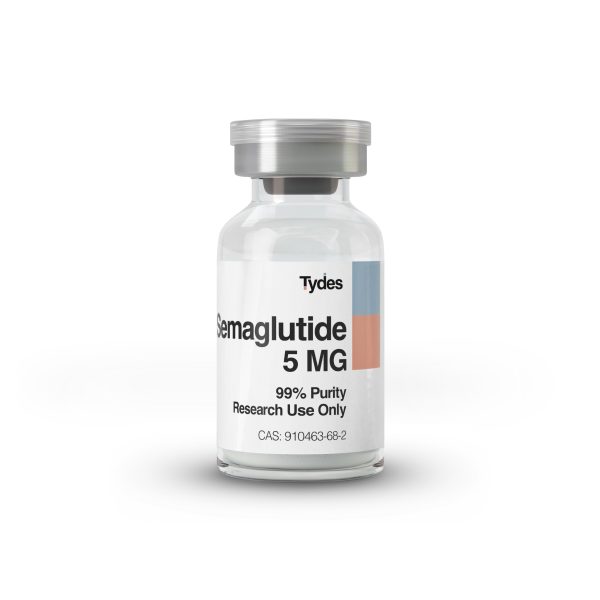
GLP-1 S
GLP-1 S is a long-acting GLP-1 receptor agonist with a unique structure that enhances its stability and half-life. It is a synthetic analog of the naturally occurring GLP-1 peptide but includes several modifications to resist enzymatic degradation and prolong its activity in the body.
Amino Acid Structure:
- GLP-1 S is composed of 31 amino acids, with the sequence derived from the human GLP-1 (7-37) peptide.
- The sequence of GLP-1 S is modified at position 8, where the naturally occurring alanine is replaced with alpha-aminoisobutyric acid (Aib). This modification provides resistance to dipeptidyl peptidase-4 (DPP-4) degradation.
- Another key structural feature is the attachment of a C18 fatty acid chain to the lysine residue at position 26 via a glutamic acid spacer. This modification allows GLP-1 S to bind to albumin in the bloodstream, thereby prolonging its half-life.
These structural characteristics make GLP-1 S a potent GLP-1 receptor agonist with significant applications in metabolic research. The modification at position 8 and the fatty acid acylation are critical for its extended duration of action.

GLP-1 T
GLP-1 T is a dual agonist that activates both GLP-1 and glucose-dependent insulinotropic polypeptide (GIP) receptors. This dual mechanism offers a broader metabolic impact compared to single agonists.
Amino Acid Structure:
- GLP-1 T consists of a peptide sequence that allows it to interact with both GLP-1 and GIP receptors.
- The peptide backbone of GLP-1 T includes modifications that enhance its stability and resistance to enzymatic degradation, similar to GLP-1 S.
- The amino acid sequence of GLP-1 T is designed to optimize binding to both receptors, ensuring potent agonist activity.
The dual agonist nature of GLP-1 T, combined with its engineered stability, makes it an exciting compound for studying complex metabolic pathways. The ability to target both GLP-1 and GIP receptors provides a synergistic effect that enhances its therapeutic potential.
GLP-1 R
GLP-1 R is a triagonist peptide that activates GLP-1, GIP, and glucagon receptors. This unique mechanism positions GLP-1 R as a promising candidate for comprehensive metabolic management.
Amino Acid Structure:
- GLP-1 R’s amino acid sequence is specifically designed to interact with three different receptors: GLP-1, GIP, and glucagon.
- The peptide includes sequences that optimize its binding affinity for each receptor, ensuring that it can effectively activate multiple pathways simultaneously.
- As with other GLP-1 receptor agonists, GLP-1 R is modified to resist degradation and maintain prolonged activity in the body.
GLP-1 R’s triagonist activity is a result of its unique amino acid structure, which allows it to simultaneously target multiple metabolic pathways. This comprehensive approach to receptor activation provides broad therapeutic potential in metabolic research.

Cagrilintide
Cagrilintide is an amylin analog that is often used in combination with GLP-1 receptor agonists to enhance their effects. Amylin is a hormone that works alongside insulin to regulate blood glucose levels by slowing gastric emptying and promoting satiety.
Amino Acid Structure:
- Cagrilintide is an analog of the naturally occurring hormone amylin, with a sequence that mimics the biological activity of amylin.
- The peptide structure of Cagrilintide includes modifications that enhance its stability and potency compared to native amylin.
- Cagrilintide’s sequence is designed to bind to amylin receptors effectively, modulating glucose metabolism and energy balance.
Cagrilintide’s potential for combination therapy with GLP-1 receptor agonists is rooted in its amino acid structure, which allows it to complement the activity of GLP-1 analogs in metabolic research.
Future Directions in GLP-1 Research
The field of GLP-1 research is rapidly evolving, with several promising directions that could lead to new insights and applications in chemical and biochemical research.
01
Combination Therapies
One of the most promising areas of future research is the exploration of combination therapies involving GLP-1 receptor agonists. For instance, combining GLP-1 R with other metabolic modulators could enhance its effects on glucose regulation and energy expenditure. Similarly, combining Cagrilintide with GLP-1 agonists like GLP-1 S could provide a more comprehensive approach to studying complex metabolic conditions.
02
Personalized Research Approaches
As the understanding of individual genetic and molecular profiles deepens, there is growing interest in tailoring GLP-1-related research to specific genetic backgrounds. Personalized approaches could lead to more effective research outcomes, particularly in understanding how different populations respond to GLP-1 receptor agonists.
03
Advanced Delivery Systems
The development of advanced delivery systems is another key area of research. While GLP-1 receptor agonists like GLP-1 S and GLP-1 T have been designed to have prolonged effects, further improvements could be made through novel delivery systems. These could include nanoparticle carriers, transdermal patches, or oral delivery methods that enhance bioavailability and stability.
04
Exploration of New GLP-1 Analogs
Research into new GLP-1 analogs with enhanced or modified activity is ongoing. The goal is to develop compounds with even greater stability, efficacy, and specificity for certain metabolic pathways. This could involve modifying existing molecules or developing entirely new peptide structures that mimic or enhance the activity of GLP-1.
Chemical Research Applications of GLP-1 Receptor Agonists
GLP-1 receptor agonists have a wide range of applications in chemical and biochemical research, particularly in studies related to metabolic regulation and energy balance.
Metabolic Pathway Analysis
GLP-1 receptor agonists are valuable tools for studying metabolic pathways, particularly those involved in glucose homeostasis and energy expenditure. Compounds like GLP-1 S and GLP-1 T can be used to dissect the roles of different signaling molecules in these pathways, providing insights into how they interact and regulate metabolic processes.
Drug Development Research
The development of new drugs targeting metabolic disorders often involves the use of GLP-1 receptor agonists as reference compounds. Researchers can compare new compounds to established GLP-1 analogs to assess their efficacy, stability, and potential therapeutic applications.
Synergistic Studies
Research into synergistic effects between different metabolic modulators often involves GLP-1 receptor agonists. For example, studies combining GLP-1 R or Cagrilintide with other peptides or small molecules can reveal potential interactions and enhance understanding of metabolic regulation.
In Vitro and In Vivo Models
GLP-1 receptor agonists are frequently used in both in vitro and in vivo models to study their effects on cellular and systemic metabolism. These models can help elucidate the mechanisms by which GLP-1 analogs influence glucose homeostasis, energy balance, and other metabolic processes.
Conclusion
GLP-1 receptor agonists such as GLP-1 R, Cagrilintide, GLP-1 S, and GLP-1 T represent some of the most advanced tools available for chemical and biochemical research into metabolic regulation. Their unique molecular structures and mechanisms of action offer valuable insights into how the body regulates glucose and energy balance. As research continues to evolve, these compounds are likely to play an increasingly important role in the development of new therapeutic strategies and in the exploration of complex metabolic pathways.
For researchers interested in exploring the potential of these peptides in their studies, it is crucial to source high-purity, research-grade peptides from reputable suppliers. When looking to buy GLP-1 R, buy Cagrilintide, buy GLP-1 S, or GLP-1 T peptide, ensure that you choose a provider known for rigorous quality control and transparency.
Tydes Research is recognized as one of the best places to buy peptides online, offering a comprehensive selection of high-quality research peptides to support your work in advancing the field of metabolic research.